
Strategy
Architecting clarity
Vendor-neutral design and ongoing strategic partnership for complex enterprise environments
Reality
What actually works in enterprise systems
We've spent decades inside operations where systems live or fail. Legacy platforms, hybrid clouds, integrations that hold or break — we know what works because we've built it. Our approach is grounded in what we've seen succeed across oil & gas, automotive, aviation, logistics, and manufacturing. Theory becomes practice when you understand the constraints.

Design
Systems that actually connect
Three approaches to enterprise clarity

Mapping
End-to-end architecture
We map your digital landscape end to end — connecting isolated systems, identifying integration gaps, and designing a blueprint that aligns every component to a shared business outcome.

Independence
Vendor-neutral guidance — recommendations that serve your outcomes, not our partnerships.

Robustness
Integration design built for the long run — scalable, secure, and resilient to operational change.
Trust
Built on accountability
Three signals that separate real partnership from delivery
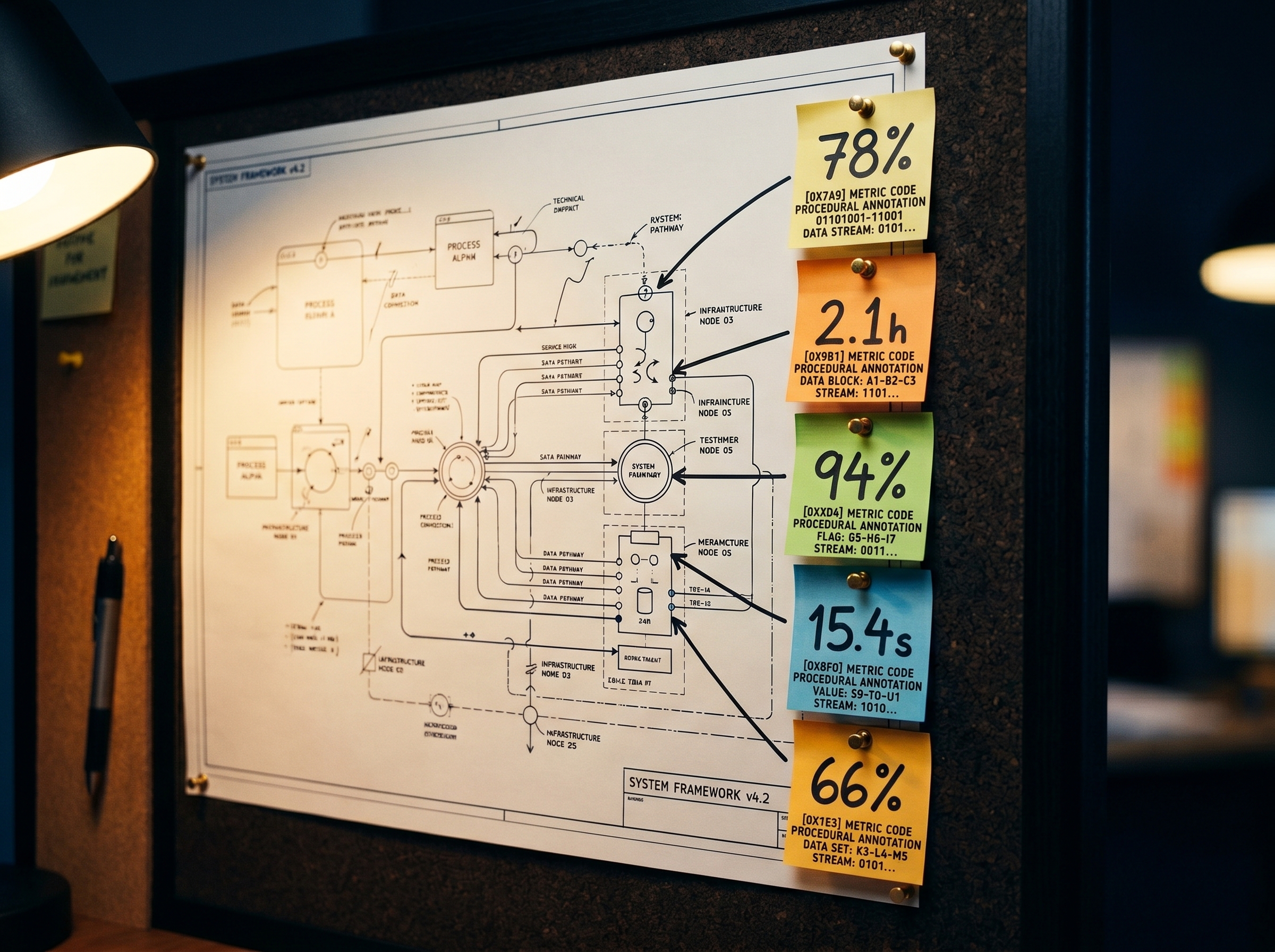
Blueprints aligned to outcomes
Architecture shaped by your business, not vendor roadmaps. Every design decision traces back to a measurable operational result — not a feature checklist.

Phased, measured implementation
Risk mitigated through deliberate, testable stages. We never drop a big-bang transformation on a live operation. Each phase delivers value before the next begins.

Ongoing advisory
Entegrade stays accountable long after go-live. Direct access, monthly touchpoints, proactive recommendations as your landscape continues to evolve.
Evidence
What the data shows
Industry benchmarks that matter to your board
Integration
65% of digital transformations fail due to poor integration
The most common failure point isn't ambition or budget — it's the architecture. Systems that don't connect create invisible walls between strategy and execution.
Gartner, 2024

40%
Effective architecture reduces time-to-value by 40%
Organisations that invest in architecture before implementation consistently deliver faster outcomes with fewer costly reversals.
McKinsey & Company
3×
3× sustained ROI with ongoing strategic partnership
Organisations with continuous advisory relationships sustain three times the return compared to those managing post-go-live alone.
IDC Research
Method
How we build clarity
Five steps from confusion to architecture that works

Sustain
Evolve
We optimise and support as the landscape shifts. Technology changes, your business changes — your architecture needs to keep pace with both.
Possibility
What emerges when systems truly align
Enterprise architecture isn't about technology for its own sake. It's about unlocking what becomes possible when your platforms work as one. We've seen what happens when they do.
Unified data flows across your operations
Real-time visibility replaces fragmented reporting and manual reconciliation. Every system speaks to every other — without the spreadsheet in the middle.
Decisions made on current information, not yesterday's data
Operations leaders act on what's happening now, not what they discover three days later in a report. Speed of insight becomes speed of action.
Evolution without disruption or costly rip-and-replace cycles
Your systems upgrade and improve whilst operations continue uninterrupted. Architecture that was designed to adapt doesn't need to be torn out every five years.
Strategy
Architecting clarity
Vendor-neutral design and ongoing strategic partnership for complex enterprise environments